What Should I Use to Cover a Mattress When Moving Apartments?
For most apartment moves, use a mattress bag or purpose-made mattress cover that fits your mattress snugly and closes securely. It helps keep the mattress clean and shields it from dust, moisture, scuffs, and dirty hands during the move. If rain or a long trip is involved, add a waterproof layer or keep the covered mattress inside the moving truck—not exposed on a roof rack or trailer.
But don’t buy the cover—or decide the mattress is coming with you—before you measure. In an apartment move, the route matters as much as the destination: a mattress may fit the bedroom but still be difficult to maneuver through a doorway, hallway, stairwell, or elevator. Measure the apartment, the mattress, and the route in before you spend money or book movers.
Quick Answer: Which Mattress Cover Should You Use?
Moving situation Good option Keep in mind Short move in dry weather A fitted plastic mattress bag Seal it well and avoid dragging it on the ground. Rain, damp conditions, or a longer trip A waterproof mattress bag or sturdy plastic cover Keep the mattress covered until it’s indoors and dry. You want reusable protection A washable mattress moving cover Check that it fits and is clean before use. Temporary storage A storage-rated mattress bag or cover Follow the storage provider’s guidance and keep the mattress dry.A plastic bag is simple and inexpensive, while a reusable padded cover can offer more protection against scuffs. Neither option makes careless handling safe: don’t bend a mattress unless the manufacturer allows it, and don’t leave it where it can get wet, dirty, or punctured.
Measure the Apartment Before You Move
Downsizing is where people most often discover that “it should fit” isn’t a plan. Before deciding what to bring, measure the rooms in the new apartment and compare them with the furniture you own. Take a tape measure—yes, keep one handy—and write the measurements down instead of relying on memory.
Measure the bedroom and furniture footprint
Measure the bedroom’s length and width, then note the locations of doors, closets, windows, radiators, and other features that affect furniture placement. Measure the bed frame as well as the mattress. A mattress may fit the room, but a wide frame, headboard, or attached drawers can change how much usable space remains.
Sketch a simple floor plan or use painter’s tape to mark the bed’s footprint on the floor. Leave room to walk around it, open closet doors, and reach drawers. In a small bedroom, a mattress that technically fits can still make the room feel crowded and difficult to use.
Measure the route in—not just the bedroom
Next, check the full path from the truck or loading area to the bedroom. Measure the clear width and height of the apartment entrance, interior doorways, hallway pinch points, stair landings, and elevator doors. Ask the building manager about elevator dimensions, loading procedures, service-elevator reservations, and any move-in time restrictions.
Measure the doorway width before talking about sofas; the same practical rule applies to mattresses and bed frames. Include door handles and other obstructions when checking clearances. A mattress can flex somewhat, but don’t assume it will turn easily through a tight corner or fit in an elevator just because the elevator looks spacious.
- Measure the mattress’s length, width, and thickness.
- Measure the bed frame and headboard separately.
- Check door openings, hallway turns, stairwells, and elevator clearances.
- Confirm whether the mattress can travel flat, upright, or only at an angle.
- Ask the building about loading access and move-in rules.
If a measurement is close, do a route check before moving day. Take photos, draw the tight turns, or ask the mover rentdeals.com to review the dimensions. Catching a problem early is much easier than finding out in a crowded hallway with the truck clock running.
How to Choose Mattress Covers for Moving Protection
Plastic mattress bags
A plastic mattress bag is the standard choice for a one-time move. Choose one labeled for moving, with dimensions that match your mattress size and enough depth for its thickness. A bag that is too tight can split while you’re loading; one that is far too large may bunch, snag, or let dust and debris enter through an open end.
Check the bag for tears before use, slide it over the mattress without scraping it across the floor, and close the opening with packing tape or the bag’s built-in seal. Keep tape on the plastic rather than on the mattress fabric. Don’t wrap the mattress so tightly that the cover is stretched against sharp corners or frame hardware.
Reusable fabric or padded covers
A washable fabric cover can be a good option if you move often or want protection against scuffs and handling marks. Some covers have handles, which can make carrying easier, but the handles are not a substitute for proper lifting. Check that the cover is clean, dry, and sized for your mattress before the move.
Fabric covers may not be waterproof. If rain or wet loading conditions are likely, use a waterproof outer layer or another appropriate barrier. Keep the mattress protected during loading and unloading, and take the cover off once it is indoors and dry.
Can you use sheets, blankets, or a tarp?
A clean sheet or moving blanket can help prevent scratches and grime, but it is not a reliable moisture barrier. A tarp may shed water, but it can shift, leave parts exposed, or trap moisture if left wrapped around the mattress. For dependable protection, use a mattress-specific bag or cover, then add a blanket if you need extra padding against scuffs.
Avoid putting a damp mattress into plastic and leaving it sealed for an extended period. Moisture trapped against the mattress can create problems. Keep it dry during the move, and remove the cover after it has been brought indoors.
How to Cover a Mattress, Step by Step
- Strip the bed. Remove sheets, pillows, and bedding. Pack linens separately in clean bags or boxes.
- Check the mattress. Make sure it is dry, and note any existing stains or damage before wrapping.
- Choose the right size cover. Match the bag or cover to the mattress dimensions and thickness.
- Lift the mattress into the cover. Use another person if needed. Avoid dragging it across floors, steps, or pavement.
- Close the opening. Seal the bag so dirt and dust cannot easily get in, without stretching or puncturing the plastic.
- Carry it carefully. Keep it away from sharp edges, wet ground, and loose hardware. Follow manufacturer guidance about bending or positioning.
- Uncover it indoors. Once the mattress is in a dry room, remove the cover and let the mattress air out if needed.
For added moving protection, wrap the bed frame and headboard separately. Keep screws and small hardware in a labeled bag taped to the relevant frame component or packed in a clearly marked box—not loose inside the mattress cover.
Decide Whether to Keep, Store, Sell, Donate, or Replace
A mattress is bulky, and moving it costs time and space. Before covering it, decide whether it deserves a place in the new apartment. Use the condition of the mattress, the fit of the room, the move’s cost, and your likely replacement plans to make the call.
Choice Consider it when Before you commit Keep The mattress is in good condition and suits the new room. Confirm the bed fits through the route and works with the room layout. Store You have a clear, short-term reason to keep it. Compare storage costs and check how the facility wants mattresses covered. Sell It is clean, usable, and local rules allow the sale. Be honest about age and condition; arrange pickup before moving day. Donate It meets the organization’s condition and safety requirements. Call first—many organizations do not accept used mattresses. Replace The mattress is worn, unsuitable, or too difficult to move cost-effectively. Measure the apartment and route before ordering a replacement.Don’t move a mattress simply because you own it. If it is stained, sagging, damaged, or no longer comfortable, compare the cost and hassle of moving or storing it with the cost of replacing it. And don’t buy a new mattress before measuring the room and the route: a delivery may face the same doorway, elevator, or stairwell challenge as your move.
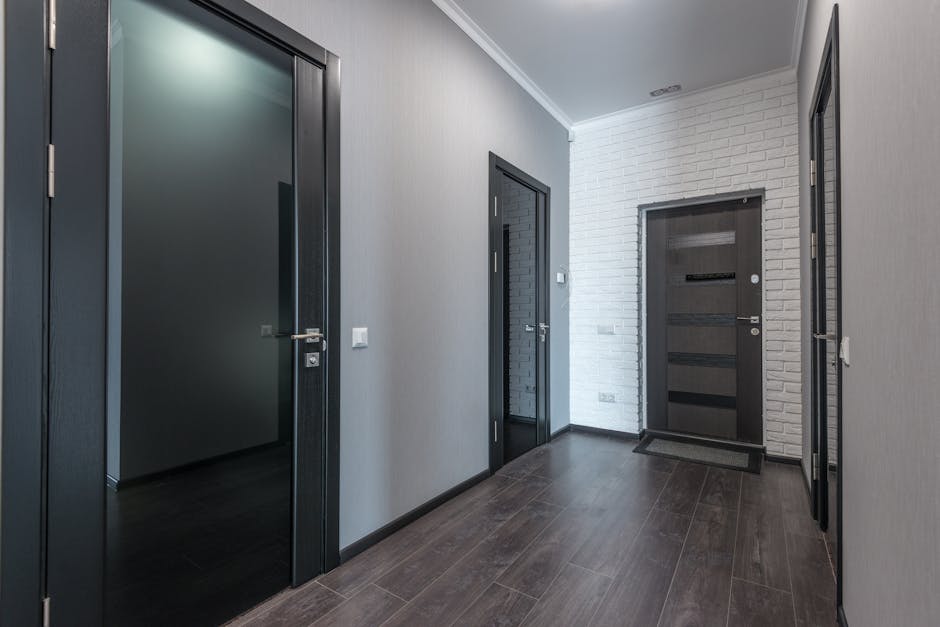
Think About Scale and Visual Weight in a Small Room
In a smaller apartment, the bed is often the room’s largest object. A thick mattress, oversized headboard, and bulky frame can dominate the space even when each piece fits. Consider the overall scale, not only the mattress size. A simpler frame with an open base may make a room feel less crowded than a heavy design with a tall headboard and deep footboard.
Visual weight matters, too. Dark, solid furniture can make a small room feel fuller; lower-profile pieces and clear floor space can make it feel more open. That doesn’t mean you need to replace a perfectly good bed. It means you should decide whether the mattress and frame support the way you want to use the room before paying to move every component.
Common Mistakes to Avoid
- Assuming the mattress will fit. Measure the entrance, corners, stairs, and elevator, not just the bedroom.
- Using a loose, torn, or undersized bag. A poor fit can expose the mattress or split during handling.
- Relying on a blanket alone. It may protect against scuffs but usually won’t keep out moisture and dust as well as a mattress bag.
- Leaving the mattress outdoors. Rain, dirt, and rough ground can undo your moving protection quickly.
- Wrapping it and forgetting it. Remove the cover once the mattress is safely indoors and dry.
- Ordering a replacement too early. Measure the new space and delivery route before buying.
Final Checklist: Keep It Clean and Make the Move Easier
The simplest plan is often the best: measure first, decide whether the mattress is worth moving, then choose a correctly sized cover. A mattress bag is usually enough for an ordinary apartment move; add a waterproof layer when conditions call for it, and handle the mattress carefully from loading to setup.

- Measure the new bedroom and map the bed’s footprint.
- Measure the mattress, frame, doorway width, hallways, stairs, and elevator.
- Check building access rules and reserve a service elevator if needed.
- Choose a clean, intact cover that fits the mattress.
- Make a keep, store, sell, donate, or replace decision before moving day.
- Keep the mattress dry, covered, and off dirty surfaces during the move.
Good mattress covers help keep it clean, but measurements are what prevent a moving-day surprise. Take a few minutes with a tape measure now, and you’ll have a clearer answer about what to protect, what to bring, and whether it belongs in the new apartment at all.